
by Deika Ahmed
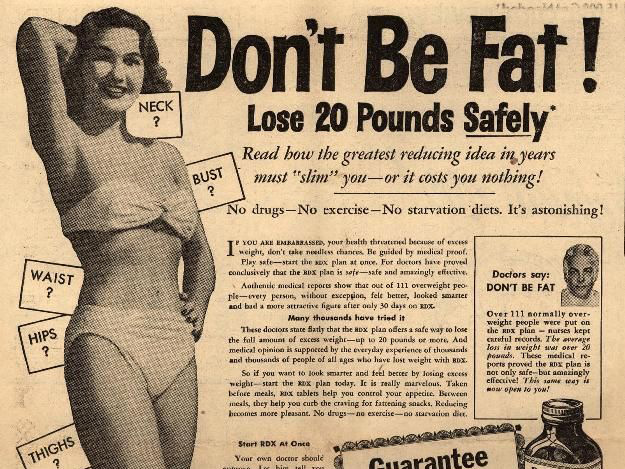
As the new year arrives, I face the familiar impulse to shed the 20 pounds I’ve gained over the past five years. Like many, I’ve internalized the message that being “fit, sexy, and slim” is the ideal. Yet years of fad diets and extreme exercise regimens have only led to frustration and many unrealistic resolutions destined for failure. I refuse to feed the gluttonous billion-dollar diet monster with my hard-earned dollars and self-esteem. The era of dieting ends now; the age of self-acceptance begins today.
Screw Diet Culture!
Forget About Making Impossible New Year’s Resolutions You’ll Only Break!
Love Yourself Without Chasing Some Unrealistic Image of Perfection!
As we transition into adulthood, the pressure to conform to airbrushed models of physical “perfection” intensifies, an illusion crafted to captivate our insecurities for profit. The infamous New Year’s resolutions reinforce unrealistic expectations. Sometimes these resolutions are completely unattainable and maybe too aspirational.
For Example:
Deika’s 2024 Resolutions
- Sculpt my body into an impossible shape achieved only through filters and cosmetic procedures.
- Earn a six-figure income as a financially stressed college student already working multiple underpaid jobs.
- Marry a prince who likely exploits his country’s resources and people.
With resolutions like these, obviously not as extreme, we forget that lasting fulfillment never comes from chasing what we lack. True contentment springs from embracing our perfectly imperfect selves. Yes, I will be very cliché!
Over the years, the $71 billion diet industry has bombarded us with appealing weight loss messaging come January. They prey on our body shame and self-criticism, swiftly coming to save the day as though they clearly know how to fix our perceived flaws – a flat tummy here, no cellulite there, and goodbye to years of unworthiness. The tips range from personalized nutrition plans to tech-boosted fitness regimens. While perhaps seeming well-intentioned on the surface, the reality is these diets intentionally turn a blind eye to the systemic barriers that impact our health. They overlook the inequities denying marginalized communities access to nutrition and movement while peddling false promises of thinness through individual action alone. What a well-crafted marketing campaign! If only it were so simple.
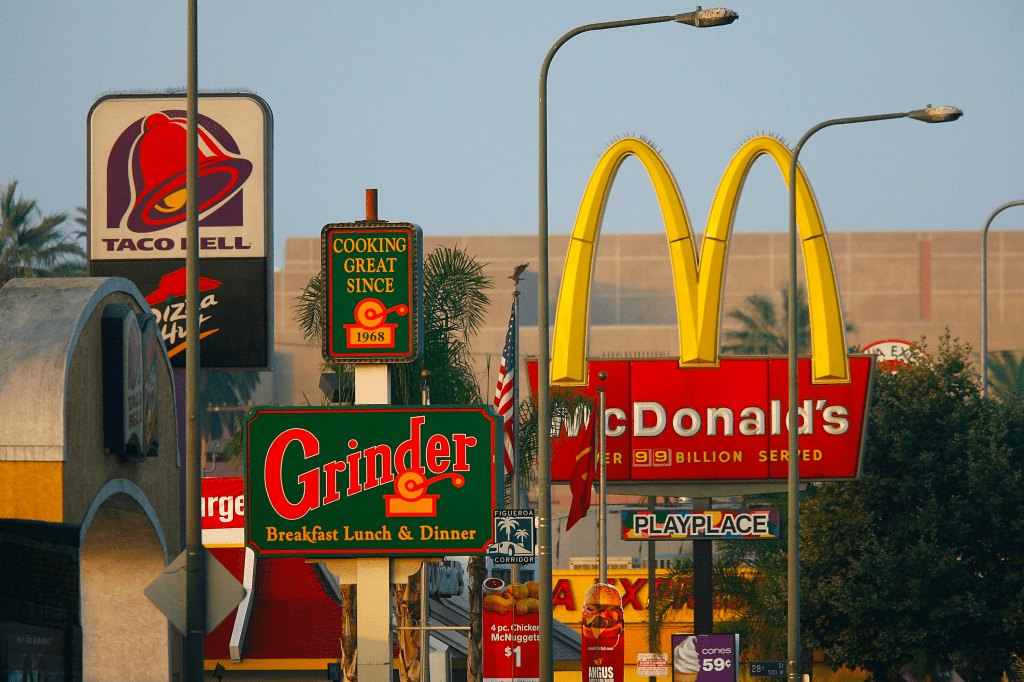
Many marginalized communities lack access to affordable, nutritious foods. Food deserts—which are predominantly found in neighborhoods with majority racial, ethnic, and indigenous populations—offer little but junk food and calories devoid of nourishment. Even when options seem available, many areas instead have an overabundance of low-quality “food swamps” inundating residents with unhealthy, addictive convenience options.
The Truth?
We’ve been sold lies. Diet culture is not an individual shortcoming to be self-corrected through sheer discipline. Health outcomes often depend on inequities by design. If we want to eat better, we must understand the profit motives and social barriers at play. We must dismantle the structures that benefit from keeping our communities trapped in food deserts and food swamps.
Let’s make 2024 the year we wake up, reclaim our worth beyond our waistlines, and demand justice for communities denied access to healthy lifestyles by corporate greed. The “New You” rejects diet culture’s empty promises; the New We awakens to fight for real change.
Sources:
Food Accessibility, Insecurity and Health Outcomes (nih.gov)
 NOIRELLA